Research
We aim to revolutionize US natural rubber production through the convergence of biology, agriculture and engineering advancements.
Research Thrusts
Although NSF TARDISS projects often cover multiple fields, we categorize our research into three main Thrusts: Bioengineering, Crop Engineering and Rubber Engineering.
Thrust 1: Bioengineering
Researchers involved with Thrust 1 are bioengineering plants with increased rubber synthesis and/or rubber accumulation by improving the biological processes that make natural rubber, and identifying the genes and proteins that control its production.

Thrust 2: Crop Engineering
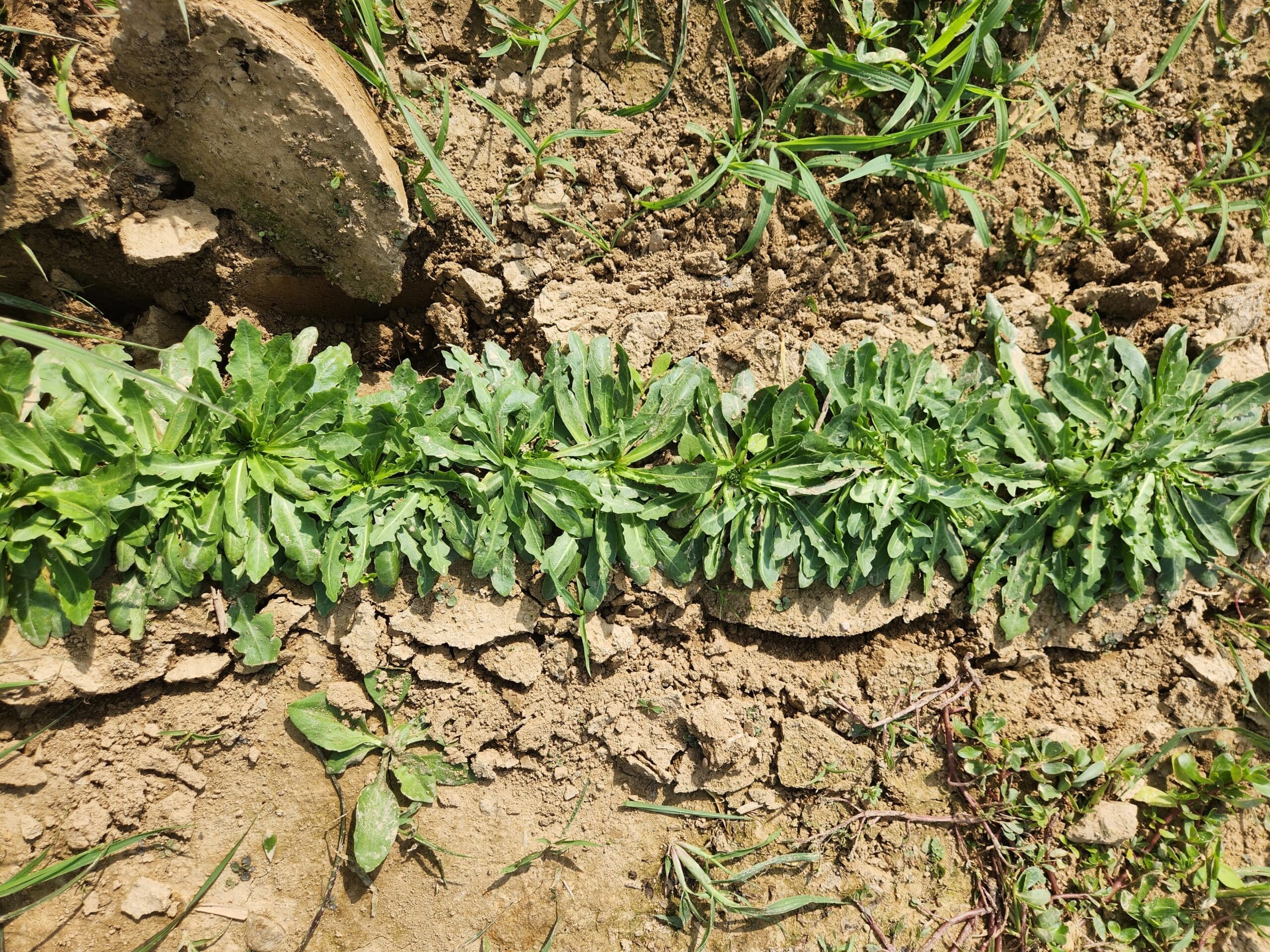
Thrust 2 develops and evaluates guayule, rubber dandelion, and other natural-rubber producing plant varieties—including bioengineered plants developed through Thrust 1—to determine which plants and growing practices perform best in different U.S. environments. By combining field and greenhouse research with sustainability and economic analyses, researchers are optimizing crop production, improving rubber yields, and identifying practical pathways for a sustainable domestic natural rubber industry.
Thrust 3: Rubber Engineering
Thrust 3 studies the properties and performance of natural rubber from alternative U.S. crops, including guayule and rubber dandelion, to develop efficient, sustainable methods for extracting and processing natural rubber. The research aims to improve rubber quality and performance, enable new rubber-based products, and guide plant development and agricultural practices toward a reliable domestic natural rubber supply.